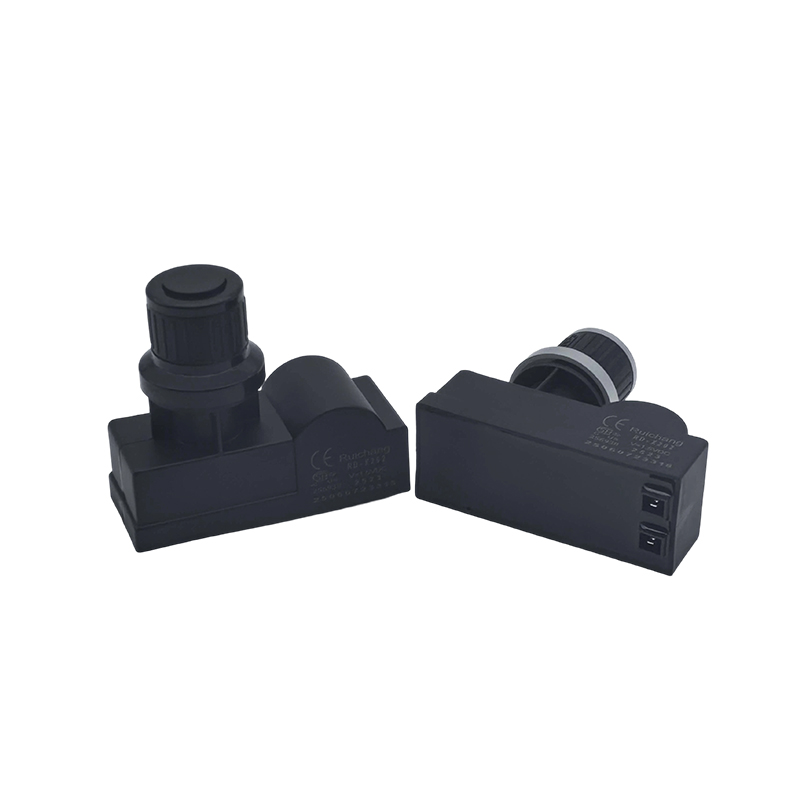
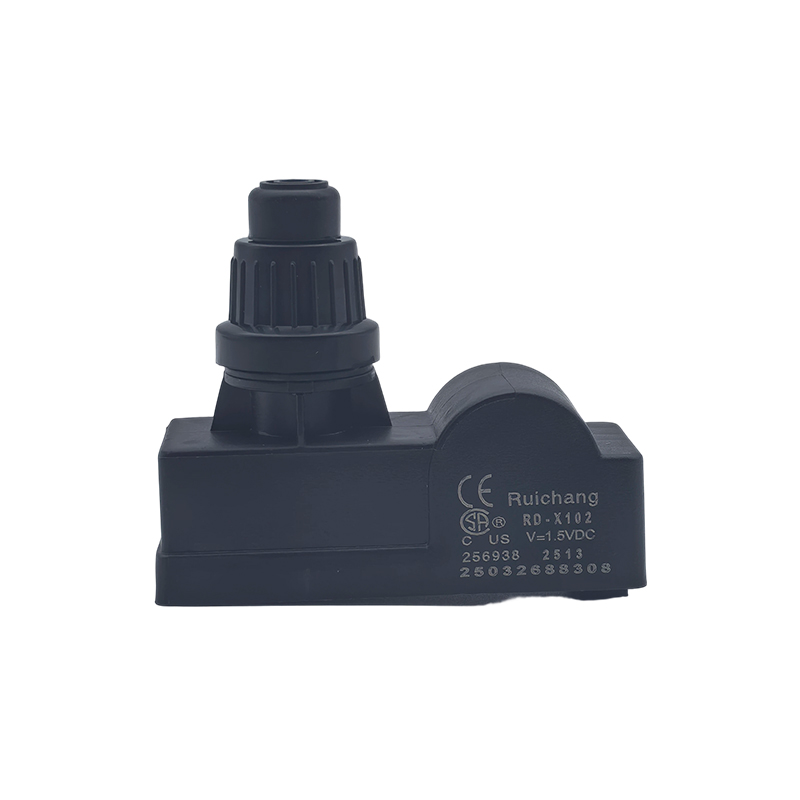
7 Categories of High-Frequency Questions Raised by Customers
1.Type and Applicability
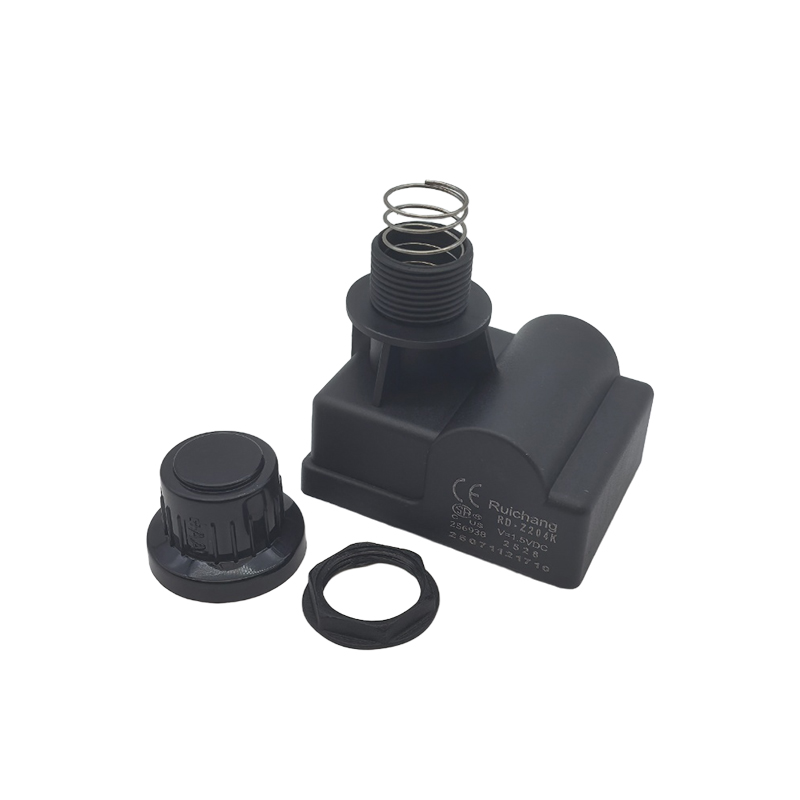
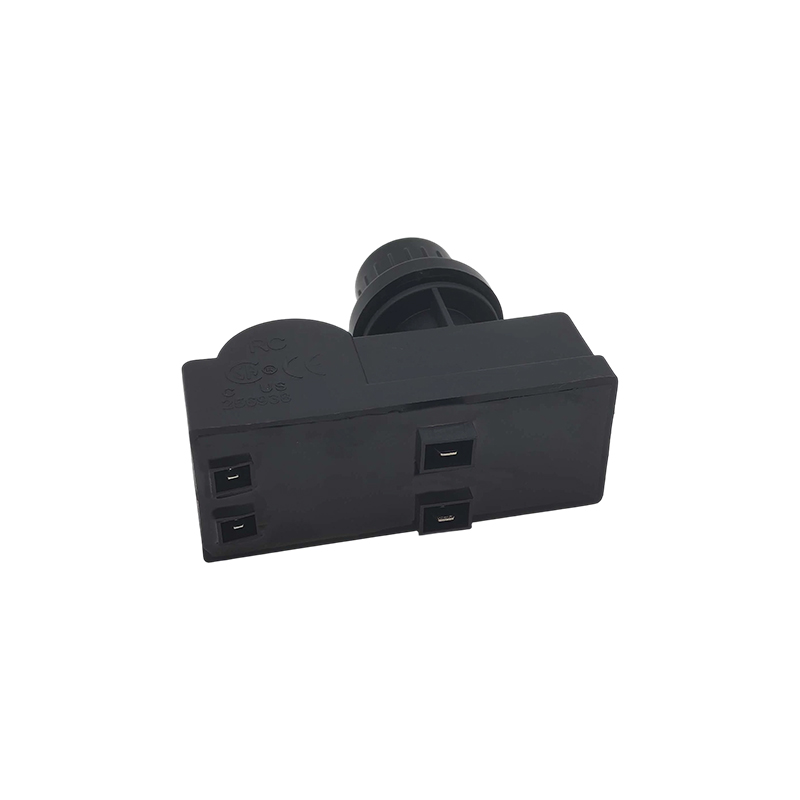
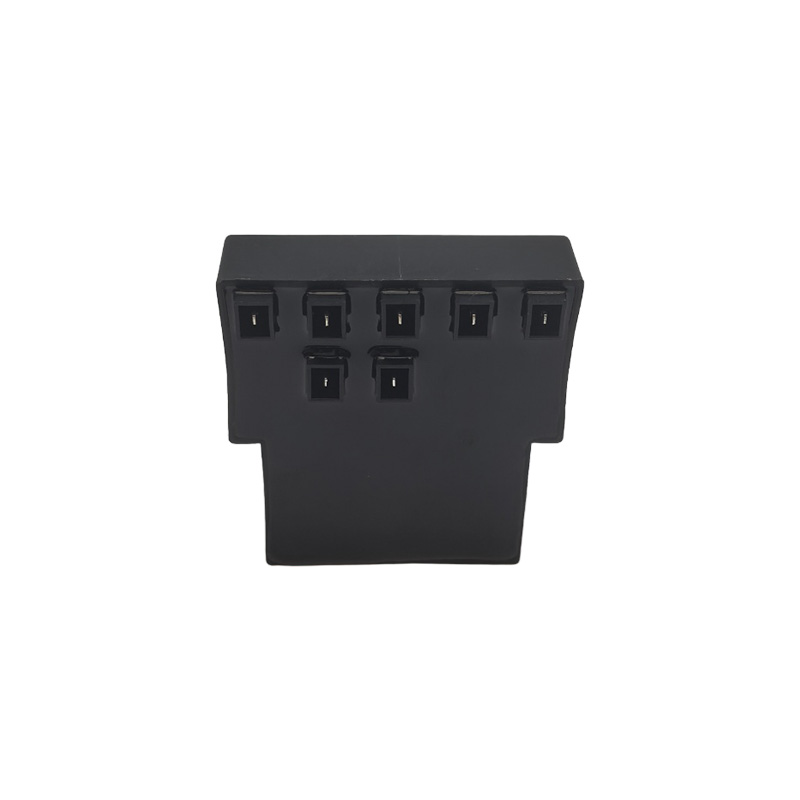
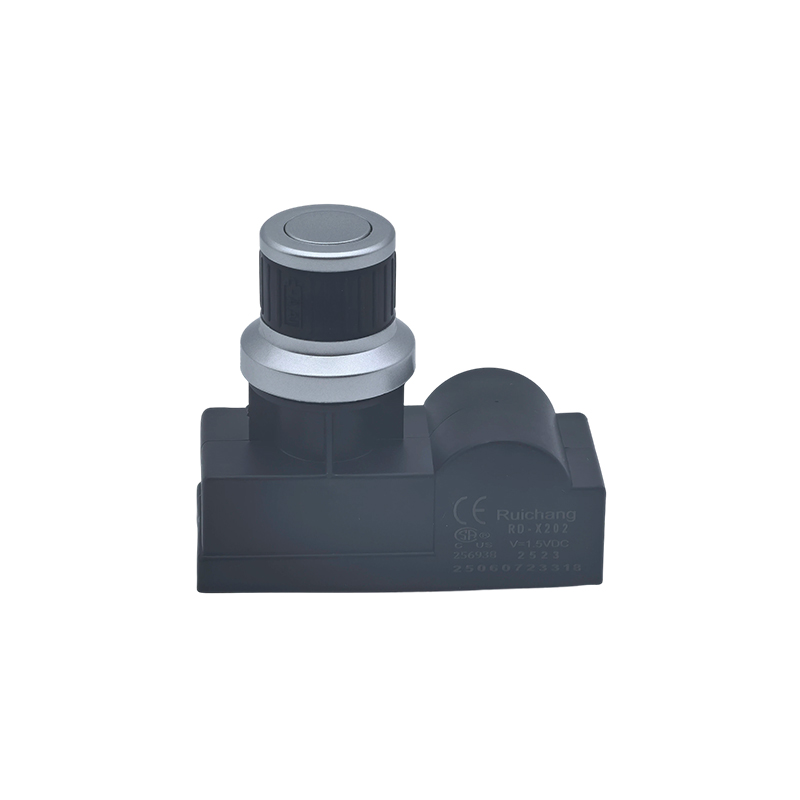
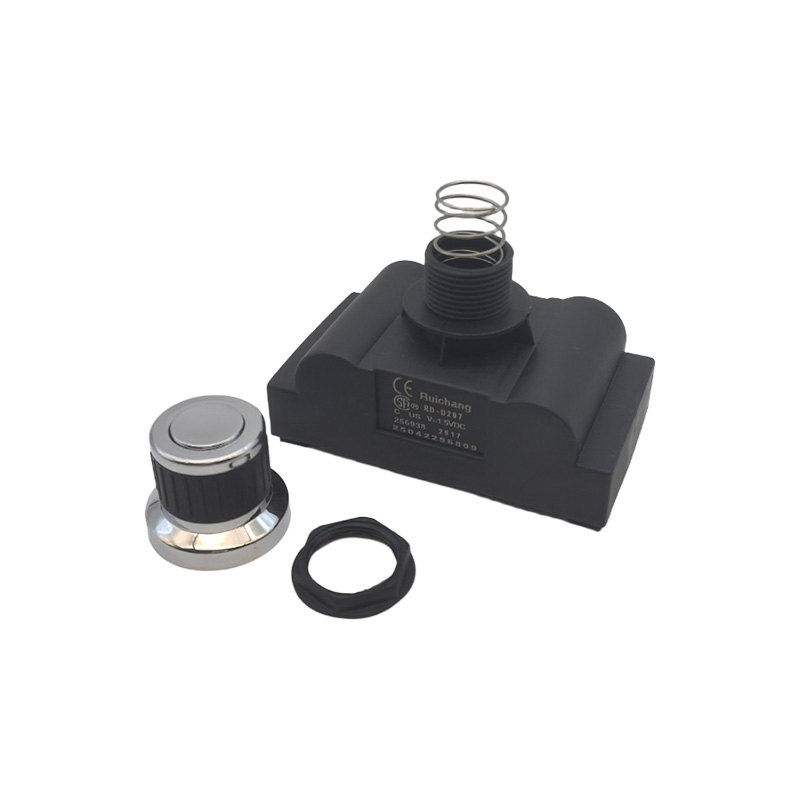
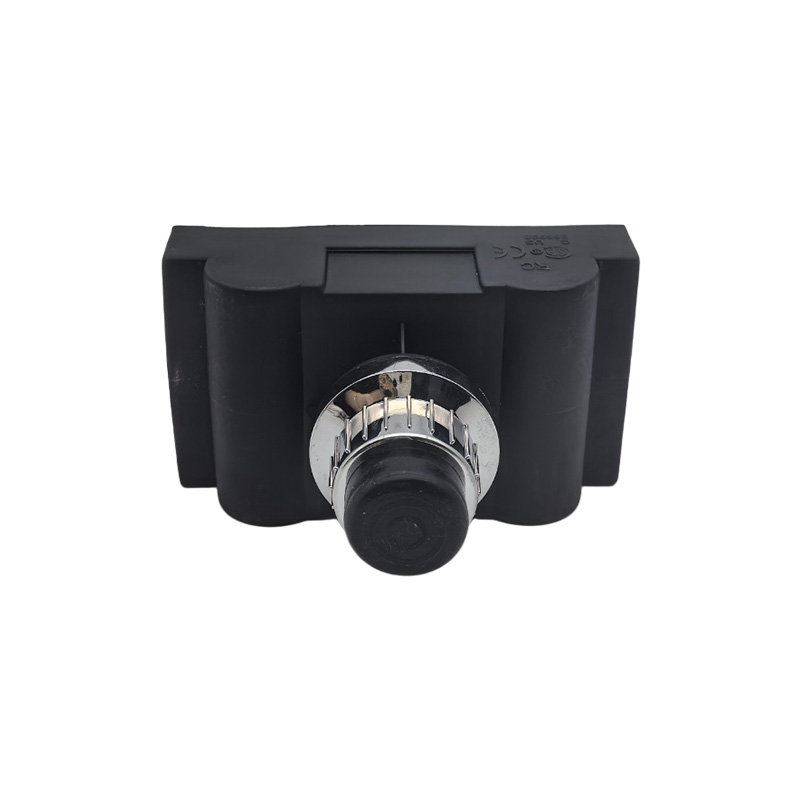
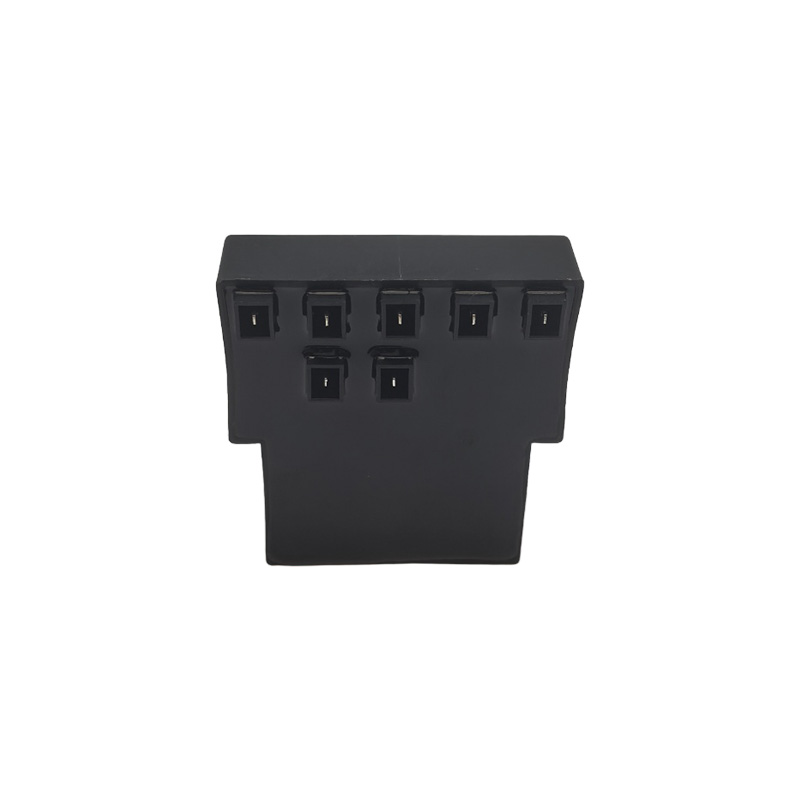
Q: Is this a piezo igniter or pulse igniter? Do you have both?
A: Both
A pulse igniter is an indispensable core component in modern gas equipment. Its basic working principle is to generate an electric spark through high-voltage discharge to ignite the mixture of gas and air. Compared with traditional piezoelectric ceramic ignition methods, pulse igniters have significant advantages such as higher ignition success rate, longer service life, and more convenient operation. Therefore, they are widely used in various gas equipment including household gas stoves, water heaters, commercial kitchen equipment, and industrial boilers.
The pulse igniter industry is undergoing a critical transformation from traditional electromechanical products to intelligent and integrated solutions. With the continuous adjustment of the global energy structure and increasingly stringent environmental regulations, the gas equipment market has been raising performance requirements for igniters, driving technological upgrades and product iterations throughout the entire industrial chain. Currently, the industry presents three core trends: intelligent and digital integration, comprehensive safety standard upgrades, and continuous expansion of application scenarios.
When selecting a pulse igniter, multiple technical parameters and actual usage scenarios need to be comprehensively considered to ensure product compatibility with the equipment and long-term reliability. The first thing to confirm is electrical parameter matching, including rated working voltage, output high voltage value, and pulse frequency. Household gas stoves typically use 3V or 6V DC-powered igniters, while commercial and industrial equipment mostly use 220V AC power.
Pulse igniters are most widely used in household gas stoves, and this is also the scenario most consumers encounter daily. As household kitchen appliances evolve towards intelligence and safety, the technological iteration of pulse igniters directly impacts the user experience and safety performance of stoves.
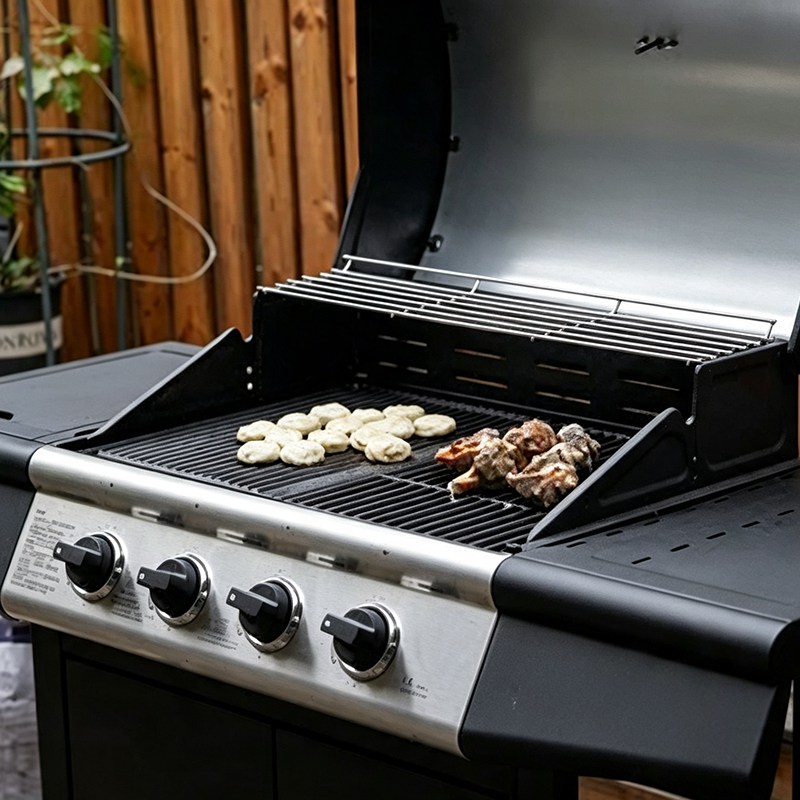
When using equipment such as gas stoves and wall-mounted gas boilers in daily life, the pulse igniter is the core component that ensures safe ignition. Many seemingly complex faults can actually be quickly located and resolved through simple checks.
Many users will encounter problems such as abnormal ignition and interference with other equipment after replacing the pulse igniter on their own, which is mostly caused by ignoring several key details during the installation process.
The design normal service life of a pulse igniter can reach 5 to 8 years. As long as basic daily maintenance is done well, the probability of failure can be greatly reduced and unnecessary safety hazards can be avoided.
Commercial kitchen equipment has much higher requirements for pulse igniters than household products, mainly reflected in high reliability, long lifespan, and strong environmental adaptability. Commercial stoves typically operate continuously for several hours or even over a dozen hours daily, requiring igniters to withstand higher usage frequencies and harsher working environments.
In scenarios such as industrial boilers, large-scale heating equipment, and gas hot air furnaces, pulse igniters play a critical safety startup role. These devices have high power and high gas flow rates, and ignition failure or delay can lead to serious safety accidents. Therefore, the requirements for igniter reliability and safety have reached the highest level.
Total10
Total page count1 |
Current page1
9Page 1
7Previous page
Next page8
Last page:
Jump
Service hotline+852-6587 3143 David+86-769-8318 1969